The Greensboro Truth and Reconciliation Commission was an independent, democratically selected body seeking truth and healing transformation for Greensboro, N.C., a city left divided and weakened by the events of Nov. 3, 1979.
The truth and reconciliation process is designed to examine and learn from a divisive event in Greensboro's past in order to build the foundation for a more unified future. The Greensboro Truth and Reconciliation Commission is based upon similar efforts around the world, most notably in South Africa. Building on this wealth of international experience, Greensboro represents the first application of this model in the United States.
For more information, click here.
Friday, April 18, 2008


Thursday, April 17, 2008
Mary Harvey's Ecological View of Trauma
I'm testing this as a way to upload pdfs to the blog. It seems to work great! I used a site called Scribd where you can upload pdfs or word docs and it gives you "embed" code (like on Youtube) that you paste into your blog post... and VOILA! you have a beautiful scrollable pdf.
Wednesday, April 16, 2008
Videos About Hurricane Katrina
Hurricane Katrina August 2005
Kanye West: "Bush doesn't care about black people"
The Lower Ninth Ward
I hope they love their children too
I love this song because it invokes for me a sentiment that as humans we share more in common with one another, which outweighs any conflict we might have.
Russians (Sting)
In europe and america, theres a growing feeling of hysteria
Conditioned to respond to all the threats
In the rhetorical speeches of the soviets
Mr. krushchev said we will bury you
I dont subscribe to this point of view
It would be such an ignorant thing to do
If the russians love their children too
How can I save my little boy from oppenheimer's deadly toy
There is no monopoly in common sense
On either side of the political fence
We share the same biology
Regardless of ideology
Believe me when I say to you
I hope the russians love their children too
There is no historical precedent
To put the words in the mouth of the president
Theres no such thing as a winnable war
Its a lie that we dont believe anymore
Mr. reagan says we will protect you
I don't subscribe to this point of view
Believe me when I say to you
I hope the russians love their children too
We share the same biology
Regardless of ideology
What might save us, me, and you
Is that the russians love their children too
Tuesday, April 15, 2008
Thursday, April 10, 2008
New Book by Alicia Lieberman and Patricia Van Horn on Child-Parent Psychotherapy

Hi All,
As you know, on Monday April 21st, Alicia Lieberman will be coming to speak at the School of Social Welfare in Haviland 5 from 4-6pm. She and Patricia Van Horn -- also of the Child Trauma Research Project in San Francisco -- have just published the much anticipated follow-up book to their "Don't Hit My Mommy." Check it out!
Resources from Greg Merrill
Hi Everyone -
I was asked to provide links that may inform about future training and recommend the following:
International Society for Traumatic Stress
Studies: www.istwss.org
National Child Traumatic Stress
Network: www.nctsnet.org
John Briere: www.johnbriere.com
EMDR Institute www.emdr.com
The National Center for Treatment and Study
of Anxiety: http://www.med.upenn.edu/ctsa/
The National Center for PTSD:
http://www.ncptsd.va.gov/ncmain/index.jsp
Update on Cairo 52 from Reese
(04-09) 13:37 PDT CAIRO, Egypt (AP) --
An Egyptian court convicted five men Wednesday on charges of homosexual behavior and sentenced them to three years in prison, officials said.
Defense lawyer, Adel Ramadan, said the judge found the men guilty of the "habitual practice of debauchery" — a term used in the Egyptian legal system to denote consensual homosexual acts.
The convictions were confirmed by a judicial official, who spoke on condition of anonymity because he was not authorized to talk to journalists.
Homosexuality is not explicitly referred to in Egypt's legal code, but a wide range of laws covering obscenity, prostitution and debauchery are applied to homosexuals in this conservative country.
The five men were arrested in what human rights groups describe as a crackdown on people with the AIDS virus, using the debauchery charges as a means to prosecute them.
Four of the five men tested HIV-positive after all were forced to undergo blood tests in custody, Human Rights Watch says. The New York-based rights group issued a statement Tuesday signed by more than 100 other organizations around the world condemning the prosecutions.
Ramadan, a lawyer with the Egyptian Initiative for Personal Rights, said the five men were abused and tortured over the past several months to "extract confessions" from them.
In addition to their prison time, the men were sentenced to an additional three years of police supervision, meaning they will have to spend every night at a police station, from 6 p.m. to 6 a.m., the lawyer said.
Ramadan said the four HIV-positive defendants were shocked by their convictions.
"Two of them cried, screamed and shrieked," he said. "The other two, they remained silent, but I saw anger in their eyes for the injustice they have been exposed to."
Ramadan said he appealed the verdict to Egypt's Court of Cassation, the country's highest appellate court.
Dozens of human rights groups have criticized this trial and other similar ones as being driven by ignorance and fear of AIDS. They have warned that the convictions could undermine AIDS prevention in Egypt.
The five convicted Wednesday were among 12 people arrested in a sweep that began in October, when police arrested a man during an altercation with another man on a Cairo street, Human Rights Watch said.
After one of the men said he was HIV-positive, authorities opened investigations into other men whose names or contact information were uncovered in interrogations of the first group of men, Human Rights Watch said.
Egyptian police have denied making any arrests because of a person's HIV condition.
In mid-January, four other HIV-positive men from the group of 12 were sentenced to one-year prison terms on similar charges of debauchery. Three others from the 12 were not prosecuted, Human Rights Watch said.
Tuesday, April 8, 2008
One World * One Dream * Free Tibet
 The world's attention has turned to China in anticipation of the Summer Olympic Games to be held in Beijing in 2008. This has reignited the passions of the Tibetan people for independence and had led to worldwide protests of China's policy/practices of occupation in Tibet.
Here is Reuters coverage of student protests in Beijing.
The Olympic Torch has started its journey around the world, which will culminate with lighting the large flame at the Opening Ceremony in Beijing this summer. It was blown out three times in France, and has been met with protests everywhere. The Free Tibet Torch and the Olympic torch are currently in San Francisco (the only stop for the Olympic torch in the US). The city Board of Supervisors passed a resolution to greet the Olympic torch with "alarm and protest."
Here is some news coverage of the protests all over SF in response to the Torch. The organizers sneakily changed the route mid-way to avoid massive protests. However, protesters were all over the place and somewhat unavoidable.
Yesterday three activists climbed up the Golden Gate Bridge and unfurled banners and the Tibetan flag to show support for a free and independent Tibet. (There is no audio for this video)
This video shows the protesters climbing up.
Hillary Clinton, Nancy Pelosi, Nicolas Sarcozy (the President of France) and others have called for a boycott of the opening ceremony of the Olympic Games in support of the Tibetan cause.
The Olympics were originally intended to be a time when war and violence ceased, and everyone focused on nations coming together in friendly athletic competition. There have been some acts of violence or attempted violence directed at Olympians or teams for political reasons (such as the murders of the Israli team at the Munich Olympic Games in 1972). And there have been some Olympic hosts and participants whose countries commit war crimes, even while the games occur (not the least of which is our own US of A).
Are there some atrocities that cannot be ignored for the sake of the Games? Or is ending violence and oppression part of the spirit of the Olympics that is served by using the event to focus the world's attention on ending human rights abuses?
Tuesday, April 1, 2008
April Fools!
And who's the fool who wears the crown?
No doubt,
In your own way
And every day is the right day
And as you rise above the fear-lines in his brow
You look down, hear the sound of the faces in the crowd.
--Pink Floyd ("Fearless")
Monday, March 31, 2008
Trauma and Violence Against the GBLT Community
Here is a link to a 1-minute video about a boy who was shot by a classmate following taunting that the victim was gay.
Violence Against Women in War
This is an extremely short overview of women's experiences in modern wars. It contains highlights from international laws protecting women in armed conflict as well as descriptions of psychosocial interventions tailored for war survivors.
Saturday, March 29, 2008
"Feminicide is a political term"
Extraordinarily high rates of homicide and sexual violence have been recorded in Mexico -- principally in the border town of Ciudad Juarez -- and Guatemala City since 1993. Between 2001 and 2006, nearly 1,500 women were murdered in Guatemala City. Many victims show signs of torture and sexual abuse, which is reminiscent of tactics used during Guatemala's 36 year internal conflict. The mortality rate of Guatemalan women today is nearing that of the early 1980s during the peak of violence during the U.S. - supported "Scorched Earth Campaign."
An analysis by the Network in Solidarity with the People of Guatemala describes how the neologism "feminicide" is distinct from its root "femicide" because it is a political term that not only describes the crime but also implicates the State's failure to respond.
Victoria Sanford writes, "Feminicide is a political term. Conceptually, it encompasses more than femicide because it holds responsible not only the male perpetrators, but also the State and judicial structures that normalize misogyny. Feminicide connotes not only the murder of women by men because they are women, but also indicates government responsibility for these murders, whether through the commission of the actual killing, tolerance of the perpetrators' acts of violence, or omission of State responsibility to ensure the safety of its female citizens. In
Sanford's analysis of feminicide in Guatemala is consistent with analyses of feminicide in Ciudad Juarez. An additional dimension noted in writings about feminicide in Ciudad Juarez is that the rash of murders began at approximately the same time that NAFTA went into effect in 1994. Changing employment opportunities that resulted from NAFTA's implementation led to increased rates of migration from southern and rural Mexico to the northern border town that is home to many maquiladoras, which employ mostly women. These articles suggest that changing family structures may have increased levels of domestic violence in families where women were employed but men were not. Julia Estela Monarrez says that murders in Ciudad Juarez are "politically motivated sexual violence" rooted in a system of patriarchy and that reveal a normalization of violence as an expression of social control.
Obstacles to justice in both Ciudad Juarez and Guatemala City are impunity and immature judicial systems that fail to prioritize investigations of these violations of women's human rights. During the mid-1990s, the people of Ciudad Juarez were still searching for a serial killer but eventually all recognized the killings as a systematic phenomenon within a society plagued by corruption and a multitude of other types of violence, including poverty.
links below have more information:
http://www.nisgua.org/themes_campaigns/index.asp?id=3056
http://lists.econ.utah.edu/pipermail/margins-to-centre/2007-July/001415.html
Wednesday, March 19, 2008
Post Traumatic Stress Gene ID'd, article from Discovery Health News
Post Traumatic Stress Gene ID'd
Lindsey Tanner, Associated Press
The Gene Factor March 18, 2008 -- Cutting-edge new research helps answer the puzzling question of why post-traumatic stress doesn't happen to everyone who endures horrible trauma.
In this case, the trauma was child abuse. The researchers found that survivors of child abuse were particularly likely to have symptoms of post-traumatic stress as adults if they also had specific variations in a stress-related gene.
Among adult survivors of severe child abuse, those with the specific gene variations scored more than twice as high (31) on a scale of post-traumatic stress, compared with those without the variations (13).
The worse the abuse, the stronger the risk in people with those gene variations.
The study of 900 adults is among the first to show that genes can be influenced by outside, nongenetic factors to trigger signs of post-traumatic stress disorder, or PTSD.
"The study is groundbreaking," the largest of just two reports to show molecular evidence of a gene-environment influence on PTSD, said Karestan Koenen, a Harvard psychologist doing similar research. She wasn't involved in the new study.
"We have known for over a decade, from twin studies, that genetic factors play a role in vulnerability to developing PTSD, but have had little success in identifying specific genetic variants that increase risk of the disorder," Koenen said.
The results suggest that there are critical periods in childhood when the brain is vulnerable "to outside influences that can shape the developing stress-response system," said Emory University researcher and study co-author Dr. Kerry Ressler.
The study appears in Wednesday's Journal of the American Medical Association.
Ressler noted that there are likely many other gene variants that contribute to risks for PTSD, and others may be more strongly linked to the disorder than the ones the researchers focused on.
Still, he and outside experts said the study is important and that similar advances could lead to tests that will help identify who's most at risk. Treatments including psychotherapy and psychiatric drugs could be targeted to those people, Ressler said,
Several study authors, including Ressler, reported having financial ties to makers of psychiatric drugs.
About a quarter of a million Americans will develop PTSD at some point in their lives after being victimized or witnessing violence or other traumatic events. Rates are much higher in war veterans and people living in high-crime areas.
Symptoms can develop long after the event and usually include recurrent terrifying recollections of the trauma. Sufferers typically avoid situations and people who trigger the memories and often have debilitating anxiety, irritability, insomnia and other signs of stress.
Though preliminary, the study provides needed insight into a condition expected to hit rising numbers of veterans returning from Afghanistan and Iraq, said Dr. Thomas Insel, director of the National Institute of Mental Health. The agency paid for the study.
Insel said the results help explain why two people in the same jeep see a roadside bomb, and one simply experiences it as "a bad day but goes back and is able to function," while the other later develops paralyzing stress symptoms.
Read more here
Tuesday, March 18, 2008
The ACE (Adverse Childhood Experiences) Studies

Hi all, a couple of us got into a discussion today in which I mentioned a group of studies, called the Adverse Childhood Experiences Studies. Here is some information on the studies and the link on the CDC website.
The Adverse Childhood Experiences (ACE) Study is one of the largest investigations ever conducted on the links between childhood maltreatment and later-life health and well-being. As a collaboration between the Centers for Disease Control and Prevention and Kaiser Permanente's Health Appraisal Clinic in San Diego, Health Maintenance Organization (HMO) members undergoing a comprehensive physical examination provided detailed information about their childhood experience of abuse, neglect, and family dysfunction. Over 17,000 members chose to participate. To date, over 30 scientific articles have been published and over 100 conference and workshop presentations have been made.
The ACE Study findings suggest that these experiences are major risk factors for the leading causes of illness and death as well as poor quality of life in the United States. Progress in preventing and recovering from the nation's worst health and social problems is likely to benefit from the understanding that many of these problems arise as a consequence of adverse childhood experiences
Monday, March 17, 2008
Friday, March 14, 2008
The Real State of Emergency
Earlier this year, a 17-year-old East Oakland native used a camcorder to explore the impact of the high number of slayings in the city's toughest neighborhoods. See the video essay Elliott McGregor produced last spring for San Francisco's Conscious Youth Media Crew, a digital media production company that trains inner city youth to create films that represent their experiences. (12 minutes)
Straight Outta Hunter's Point
These two video excerpts are from "Straight Outta Hunters Point", the award-winning Hip Hop documentary by Hunters Point filmmaker Kevin Epps.
This is a music video by RBL Posse ("Ruthless By Law"--a gangsta rap group from Hunter's Point) for the film. It's kinda heavy on the chorus (which is kinda heavy itself), but the verses bring up topics like crime, drugs, and violence in the neighborhood:
It is a stark cinematic portrait of a community struggling to stop the forces of gentrification -- denial of jobs, police brutality, environmental racism and more -- that have pushed 23 percent of San Francisco's Black population out of the City in the past decade. It has won the acclaim of critics and audiences at independent film festivals around the U.S., including Sundance and the Santa Fe Film Fest, where it was described as "a gritty, uncompromising film about the evolution and perseverance of a black culture in the shadow of poverty, race riots and gang-related rap wars."These next two videos are excerpts from the film. They begin with some common footage/narration, but they diverge to address different issues: the first focuses on the history of Hunter's Point and the second focuses on recent problems with gang-related violence.
This is a music video by RBL Posse ("Ruthless By Law"--a gangsta rap group from Hunter's Point) for the film. It's kinda heavy on the chorus (which is kinda heavy itself), but the verses bring up topics like crime, drugs, and violence in the neighborhood:
Tuesday, March 11, 2008
Monday, March 10, 2008
Sunday, March 9, 2008
The Other Side of War
Women for Women work with women all over the world in conflict and post-conflict zones to improve their lives and restore their communities.
This is Alice Walker reading her preface to The Other Side of War: Stories of Survival and Hope. The book is written by Zainab Salbi, the President/CEO of Women for Women International.
In this bold and heart-rending commentary, Zainab Salbi takes readers into the heart of Afghanistan, Bosnia and Herzegovina, Colombia, Democratic Republic of the Congo, Rwanda, and Sudan to hear the stories of women who daily reclaim the lives of their families and communities from the ashes of conflict.
Here is a video about Women for Women's work in Kosovo. For more information about the conflict in Kosovo click here. For more information on the status of women in Kosovo, click here for a recent LA Times article.
This is Alice Walker reading her preface to The Other Side of War: Stories of Survival and Hope. The book is written by Zainab Salbi, the President/CEO of Women for Women International.
In this bold and heart-rending commentary, Zainab Salbi takes readers into the heart of Afghanistan, Bosnia and Herzegovina, Colombia, Democratic Republic of the Congo, Rwanda, and Sudan to hear the stories of women who daily reclaim the lives of their families and communities from the ashes of conflict.
"War is not a computer-generated missile striking a digital map. War is the color of earth as it explodes in our faces, the sound of child pleading, the smell of smoke and fear. Women survivors of war are not the single image portrayed on the television screen, but the glue that holds families and countries together. Perhaps by understanding women, and the other side of war...we will have more humility in our discussions of wars...perhaps it is time to listen to women's side of history."- Zainab Salbi
Here is a video about Women for Women's work in Kosovo. For more information about the conflict in Kosovo click here. For more information on the status of women in Kosovo, click here for a recent LA Times article.
Saturday, March 8, 2008
Violence: Berkeley Journal of Sociology Conference
This year's Annual BJS Conference will be held on Friday March 14th, 2008. The topic is VIOLENCE and will feature a variety of panels showcasing graduate students, faculty, and community activists. The keynote panel, Interdisciplinary Investigations of Violence, will bring together faculty from an array of social science departments on campus, including Prof. Teresa Caldeira, City and Regional Planning, Prof. Jennifer Johnson-Hanks, Demography, Prof. Richard Walker, Geography, Prof. James Holston, Anthropology, and Prof. Nancy Scheper-Hughes, Anthropology.
I know a lot of folks might have social work internships on Fridays, but I figured I'd post this anyway...
I know a lot of folks might have social work internships on Fridays, but I figured I'd post this anyway...
Tuesday, March 4, 2008
Gen 5 Guest Speaker
Today we had an excellent speaker (Mich Levy) from a local organization called "Generation 5." This agency seeks to end child sexual abuse using an intergenerational and community action framework. For more information, please see http://www.generationfive.org/
Subscribe to:
Posts (Atom)
Trauma and Recovery

by Judith Lewis Herman
Don't Hit My Mommy
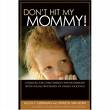
by Alicia Lieberman and Patricia Van Horn
Violence: A National Epidemic

by James Gilligan
Ayaan Hirsi Ali

from the cover of "Infidel"


