Here is a news story about the film.
You can get this HBO Special featuring interviews with injured veterans returning from Iraq at almost any video store, on Netflix, or you can ask me (Ruby) about it and I'll help you get a copy.
Showing posts with label survivor film series. Show all posts
Showing posts with label survivor film series. Show all posts
Saturday, February 9, 2008


Thursday, February 7, 2008
quick thoughts on "Alive Day"
In Alive Day, hosted by James Gandolfini, the interview with Jonathan Bartlett, who was the youngest of the injured veterans featured, struck me especially because he was so nonchalant. I googled the movie and found writings by each of the people featured in the movie and wanted to pass that link along. Jonathan's writings, coupled by his interview in the movie, helped me make more sense of what some of his grieving and healing process have been. His writing also mentioned another dimension of his trauma (though he does not call it that), which was the pain he experienced in seeing his family react to his injuries. It was interesting that he also felt like he needed to hold their pain.
Michael Jernigan and Dexter Pitts also struck me because they were the only ones who articulated any symptoms of PTSD. But they described the most traumatic events as those where they were the perpetrators of violence. This, although a much different scale, resonated with me because just recently I was recalling the time I spent working in residential treatment facilities and how violent the physical restraints are, despite the fact that their intent is to provide safety. Reed also mentioned this in class. When I worked in a residential treatment facility, I was injured and sustained a concussion. A couple weeks later I was one of the staff in a physical restraint of a 13 yr old boy who banged his head against the floor repeatedly as we held him. I was far more traumatized by that restraint than by my own injury.
If any of you end up seeing the movie and have other thoughts, I'd like to hear what you think. Here are the links...
Veterans Featured in "Alive Day Memories"
Jonathon Bartlett
Michael Jernigan
Dexter Pitts
Michael Jernigan and Dexter Pitts also struck me because they were the only ones who articulated any symptoms of PTSD. But they described the most traumatic events as those where they were the perpetrators of violence. This, although a much different scale, resonated with me because just recently I was recalling the time I spent working in residential treatment facilities and how violent the physical restraints are, despite the fact that their intent is to provide safety. Reed also mentioned this in class. When I worked in a residential treatment facility, I was injured and sustained a concussion. A couple weeks later I was one of the staff in a physical restraint of a 13 yr old boy who banged his head against the floor repeatedly as we held him. I was far more traumatized by that restraint than by my own injury.
If any of you end up seeing the movie and have other thoughts, I'd like to hear what you think. Here are the links...
Veterans Featured in "Alive Day Memories"
Jonathon Bartlett
Michael Jernigan
Dexter Pitts
Tuesday, January 22, 2008
"Survivor Stories" Film Series
As a complement to the Violence and Trauma Group Study, there will be a Tuesday Night Film Series shown this semester on campus (open to the Berkeley community). The films tell the stories of violence survivors in their own words, from their own unique perspectives.
The films correspond with several areas of focus which the group study will be researching over the semester, and viewing the films together will enrich the students' learning experiences. There will be time for debriefing and discussion after each film and resources for how people can get involved with solutions at a variety of levels.
Films will be shown on Tuesdays from 5-7pm at the Media Resource Center, in the basement of Moffitt library (Group Viewing Room B).
February 5
 Alive Day Memories: Home From Iraq
In a war that has left more than 25,000 wounded, Alive Day Memories: Home From Iraq looks at a new generation of veterans. Executive Producer James Gandolfini interviews ten Soldiers and Marines who reveal their feelings on their future, their severe disabilities and their devotion to America. The documentary surveys the physical and emotional cost of war through memories of their "alive day," the day they narrowly escaped death in Iraq.
February 12
 Until The Violence Stops
Until the Violence Stops features playwright and activist Eve Ensler in a powerful film that documents how The Vagina Monologues grew into an international grassroots movement called V-Day to stop violence against women and girls. In 2002, eight hundred cities around the world participated in V-Day by staging benefit performances of The Vagina Monologues. Until the Violence Stops shows women from Harlem to Ukiah, California; from the Pine Ridge Indian Reservation to the Philippines and Kenya, uniting and courageously revealing their intimate and deeply painful experiences with abuse ranging from rape to female circumcision.... More than just testimonies and performances, Until the Violence Stops is a film about empowerment and the importance of dialogue in the healing process. A celebration of women reclaiming their bodies and lives, this moving documentary leaves us with hope that change can happen.
February 25
 Lost Boys of Sudan
Lost Boys of Sudan is a feature-length documentary that follows two Sudanese refugees on an extraordinary journey from Africa to America. Orphaned as young boys in one of Africa's cruelest civil wars, Peter Dut and Santino Chuor survived lion attacks and militia gunfire to reach a refugee camp in Kenya along with thousands of other children. From there, remarkably, they were chosen to come to America. Safe at last from physical danger and hunger, a world away from home, they find themselves confronted with the abundance and alienation of contemporary American suburbia.
March 11
 Ghosts of Rwanda
"Ghosts of Rwanda," a special two-hour Frontline documentary to mark the 10th anniversary of the Rwandan genocide -- a state-sponsored massacre in which some 800,000 Rwandans were methodically hunted down and murdered by Hutu extremists as the U.S. and international community refused to intervene -- examines the social, political, and diplomatic failures that converged to enable the genocide to occur.... Through interviews with key government officials, diplomats, soldiers, and survivors of the slaughter, "Ghosts of Rwanda" presents groundbreaking, first-hand accounts of the genocide from those who lived it: the diplomats on the scene who thought they were building peace only to see their colleagues murdered; the Tutsi survivors who recount the horror of seeing their friends and family slaughtered by Hutu friends and co-workers; and the U.N. peacekeepers in Rwanda who were ordered not to intervene in the massacre happening all around them. The documentary features interviews with Canadian Gen. Romeo Dallaire, U.N. Secretary-General Kofi Annan, former Secretary of State Madeleine Albright, former U.N. Secretary-General Boutros Boutros-Ghali, and former National Security Adviser Anthony Lake as well as haunting interviews with the Hutu killers themselves, and a powerful interview with BBC journalist Fergal Keane who travelled through Rwanda as the genocide was drawing to a close
April 1
 Grbavica: Land of My Dreams
This is a Bosnian film about the aftermath of sexual violence and war, even many years later. It won many film awards, including a Golden Bear at the Berlin film festival. The plot summary is: Sara (Luna Mijovic) is a young girl whose class plans to go on a school trip. Since children of fallen warriors in the last war are not suppose to pay, Sara thinks that she is one of them (because her mother told her that her father got killed in war). Esma (Mirjana Karanovic), her mother Esma has two things to deal with: the explanation to her only child that she was raped-- that Sara's father is not a fallen warrior, and she has to collect the money for her daughter to go to the school trip. Esma gets a job as a waitress at a nightclub and is confronted with memories and fears from the past as Sara becomes increasingly rebellious and demanding of information about her father.
April 15
 Beyond the Call
In an Indiana Jones meets Mother Teresa adventure, three middle-aged men, former soldiers and modern-day knights travel the world delivering life-saving humanitarian aid directly into the hands of civilians and doctors. Ed Artis, James Laws and Walt Ratterman inspire through deeds not words, in some of the most dangerous yet beautiful places on Earth, the front lines of war. Knightsbridge International is a unique humanitarian organization, whose motto is "High Adventure and Service to Humanity." They explain, "We're not there to change anybody's politics, we're not in the God business, and we pay our own way." They add simply, We do what we can, when we can, because we can.
The films correspond with several areas of focus which the group study will be researching over the semester, and viewing the films together will enrich the students' learning experiences. There will be time for debriefing and discussion after each film and resources for how people can get involved with solutions at a variety of levels.
Films will be shown on Tuesdays from 5-7pm at the Media Resource Center, in the basement of Moffitt library (Group Viewing Room B).
February 5
 Alive Day Memories: Home From Iraq
 In a war that has left more than 25,000 wounded, Alive Day Memories: Home From Iraq looks at a new generation of veterans. Executive Producer James Gandolfini interviews ten Soldiers and Marines who reveal their feelings on their future, their severe disabilities and their devotion to America. The documentary surveys the physical and emotional cost of war through memories of their "alive day," the day they narrowly escaped death in Iraq.
February 12
 Until The Violence Stops
 Until the Violence Stops features playwright and activist Eve Ensler in a powerful film that documents how The Vagina Monologues grew into an international grassroots movement called V-Day to stop violence against women and girls. In 2002, eight hundred cities around the world participated in V-Day by staging benefit performances of The Vagina Monologues. Until the Violence Stops shows women from Harlem to Ukiah, California; from the Pine Ridge Indian Reservation to the Philippines and Kenya, uniting and courageously revealing their intimate and deeply painful experiences with abuse ranging from rape to female circumcision.... More than just testimonies and performances, Until the Violence Stops is a film about empowerment and the importance of dialogue in the healing process. A celebration of women reclaiming their bodies and lives, this moving documentary leaves us with hope that change can happen.
February 25
 Lost Boys of Sudan
 Lost Boys of Sudan is a feature-length documentary that follows two Sudanese refugees on an extraordinary journey from Africa to America. Orphaned as young boys in one of Africa's cruelest civil wars, Peter Dut and Santino Chuor survived lion attacks and militia gunfire to reach a refugee camp in Kenya along with thousands of other children. From there, remarkably, they were chosen to come to America. Safe at last from physical danger and hunger, a world away from home, they find themselves confronted with the abundance and alienation of contemporary American suburbia.
March 11
 Ghosts of Rwanda
 "Ghosts of Rwanda," a special two-hour Frontline documentary to mark the 10th anniversary of the Rwandan genocide -- a state-sponsored massacre in which some 800,000 Rwandans were methodically hunted down and murdered by Hutu extremists as the U.S. and international community refused to intervene -- examines the social, political, and diplomatic failures that converged to enable the genocide to occur.... Through interviews with key government officials, diplomats, soldiers, and survivors of the slaughter, "Ghosts of Rwanda" presents groundbreaking, first-hand accounts of the genocide from those who lived it: the diplomats on the scene who thought they were building peace only to see their colleagues murdered; the Tutsi survivors who recount the horror of seeing their friends and family slaughtered by Hutu friends and co-workers; and the U.N. peacekeepers in Rwanda who were ordered not to intervene in the massacre happening all around them. The documentary features interviews with Canadian Gen. Romeo Dallaire, U.N. Secretary-General Kofi Annan, former Secretary of State Madeleine Albright, former U.N. Secretary-General Boutros Boutros-Ghali, and former National Security Adviser Anthony Lake as well as haunting interviews with the Hutu killers themselves, and a powerful interview with BBC journalist Fergal Keane who travelled through Rwanda as the genocide was drawing to a close
April 1
 Grbavica: Land of My Dreams
This is a Bosnian film about the aftermath of sexual violence and war, even many years later. It won many film awards, including a Golden Bear at the Berlin film festival. The plot summary is: Sara (Luna Mijovic) is a young girl whose class plans to go on a school trip. Since children of fallen warriors in the last war are not suppose to pay, Sara thinks that she is one of them (because her mother told her that her father got killed in war). Esma (Mirjana Karanovic), her mother Esma has two things to deal with: the explanation to her only child that she was raped-- that Sara's father is not a fallen warrior, and she has to collect the money for her daughter to go to the school trip. Esma gets a job as a waitress at a nightclub and is confronted with memories and fears from the past as Sara becomes increasingly rebellious and demanding of information about her father.
April 15
 Beyond the Call
In an Indiana Jones meets Mother Teresa adventure, three middle-aged men, former soldiers and modern-day knights travel the world delivering life-saving humanitarian aid directly into the hands of civilians and doctors. Ed Artis, James Laws and Walt Ratterman inspire through deeds not words, in some of the most dangerous yet beautiful places on Earth, the front lines of war. Knightsbridge International is a unique humanitarian organization, whose motto is "High Adventure and Service to Humanity." They explain, "We're not there to change anybody's politics, we're not in the God business, and we pay our own way." They add simply, We do what we can, when we can, because we can.
Subscribe to:
Posts (Atom)
Trauma and Recovery

by Judith Lewis Herman
Don't Hit My Mommy
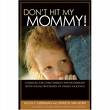
by Alicia Lieberman and Patricia Van Horn
Violence: A National Epidemic

by James Gilligan
Ayaan Hirsi Ali

from the cover of "Infidel"


